Impact Over Volume: How Kamile Makes People Operations Run Smoother

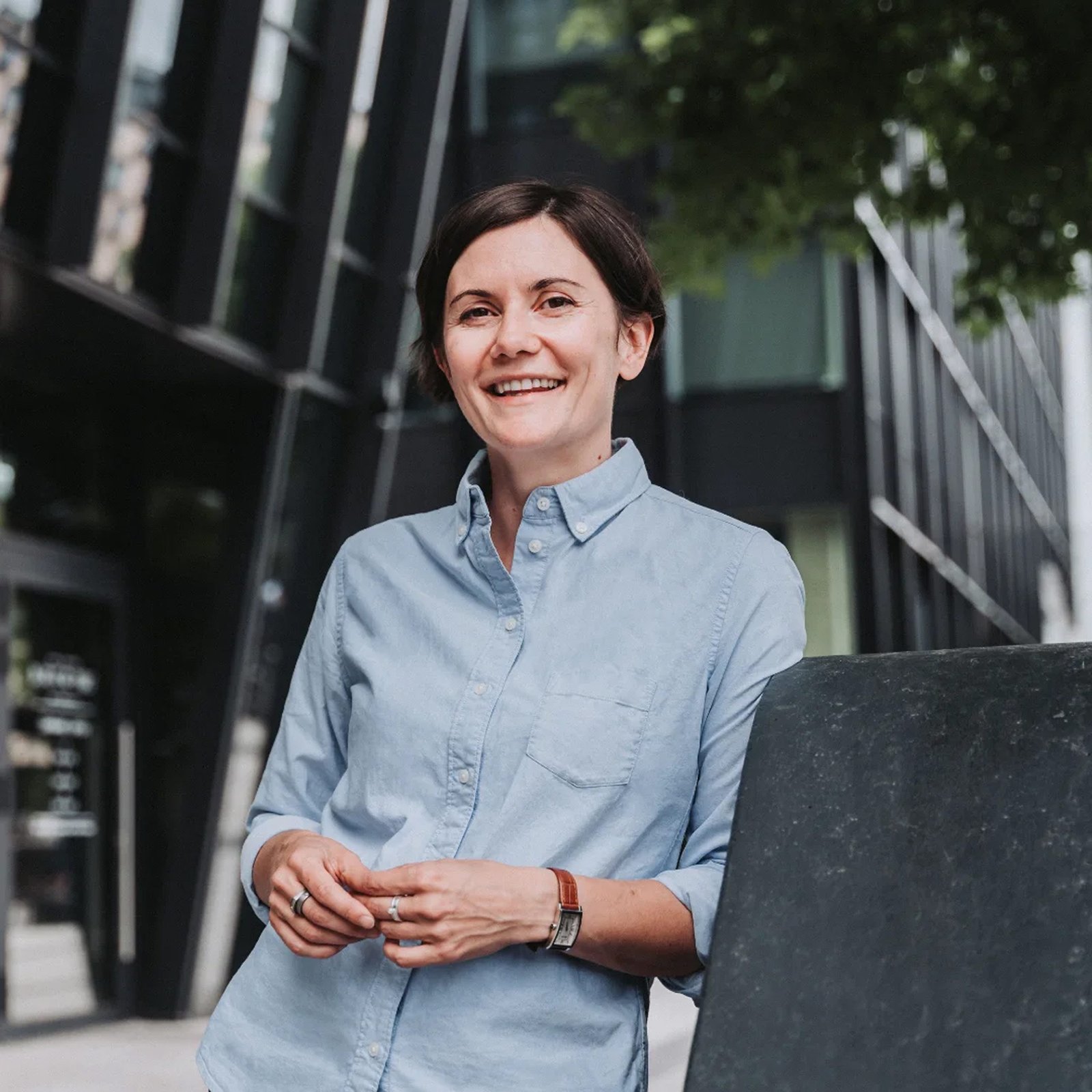
Instead of getting overwhelmed with manual tasks, our People Operations Specialist Kamilė Zarauskaitė focuses on “impact over volume.” Her goal is simple: make life easier by turning repetitive work into processes that run smoothly in the background. We sat down with her to find out how she does it.
When you started in People Ops, what was your mindset, and how did you figure out what needed fixing?
To be honest, when I started, I didn’t have enough time or knowledge to handle everything smoothly. There were tons of questions, complicated processes, and a lot of manual tasks that just didn’t fit into one workday, so I quickly realized I had to change how I was working.
The biggest time drains were not knowing exactly what to do (or how to do it) and all the repetitive manual work. To fix the knowledge gap, I tried to understand things end-to-end: what happens before a task reaches me, what happens after, why the task exists, and where the confusion or bottlenecks were for me and others.
After a while, I noticed I was procrastinating on some tasks, usually because they were boring, I wasn’t confident about them, or I was worried about making mistakes. That’s when it became clear where improvements were needed. My approach was simple: make life easier for myself and for others, whether that meant simplifying processes, minimizing the possibility of mistakes, or sharing knowledge so things felt clearer and faster for everyone.
You talk about “impact over volume.” What does that look like in your day-to-day?
For me, focusing on volume often means wasting time and mental energy. Doing a lot of small, repetitive tasks can get boring fast and make me lose the joy in my work.
I’d rather spend a couple of hours improving something so I can eliminate a 5-minute task I’d otherwise have to do every day. Or take 10 minutes to think before starting, just to find an easier way to do it. At first, it feels like you’re spending more time, but in the long run, it saves a lot.
Once things are improved, you don’t have to overthink them, you don’t have to worry about someone else struggling when you’re sick or on vacation, and you gain back time every day, even if it’s just a few minutes. Those minutes add up and make it much easier to set priorities and focus on what actually matters.
Could you walk us through a specific example of a process you’ve automated or significantly improved?
I’ve focused a lot on cutting out the boring, manual parts of the job. For instance, I tackled repetitive data entry, like copying new-hire details from emails, which I replaced with an automated report that now runs itself. A similar improvement was with document preparation. Instead of manually creating every document, our templates are now integrated into the system, so they automatically fill in most of the employee details, which saves a lot of time on copying and pasting.
I applied the same thinking to larger cycles, such as salary reviews. What used to be a multi-day manual process of updating profiles and generating contracts now only takes a few hours, thanks to data validation and direct system imports. I’ve also streamlined reporting with dashboards and centralized the management of some company benefits into a single system with automated reminders. In each case, the goal was to make a time-consuming manual task run smoothly in the background.
People sometimes think that automation is a skill reserved for those in IT. What do you use to work faster, and how did you learn it?
For me, automation definitely isn’t just an IT thing; there are plenty of tools that make everyday work easier. The biggest help lately has been Claude Code, which lets me solve things quickly and build improvements without needing deep technical skills.
And of course, AI in general plays a huge role. I use it every day, from rephrasing messages to running agents in nexos.ai that can handle parts of my manual work. It’s become a natural part of how I get things done.
Learning has mostly been very practical. My colleagues at Tesonet have been the biggest source. Some give ideas, some know systems inside out, and some share what not to do, which is just as valuable. I’ve also taken a few courses on Udemy and tried reading books, but honestly, having a helpful person next to you speeds up the learning process the most.
If someone in a non-technical role wants to work more efficiently, what’s the first step?
Find what’s frustrating you or your team, think of a way to improve it, and just give it a try. Also, share your ideas with colleagues. They might have the same struggles, useful tips, or questions you didn’t think about. New people are especially helpful because they notice things you’ve stopped seeing. Additionally, check if the process actually needs to exist in the first place. If it does, look for simple ways to turn your idea into something real. If you get stuck, ask AI for ideas. And once you have a solution, ask AI what could go wrong or ask a random person to try it without giving them context. It helps you catch loose ends before you start using it.
When you’ve got a bigger idea, who do you usually pull in to make it happen?
Oh, lots of people. My first stop is my direct manager because she understands what I do and where I struggle. I also go to our Engineering Manager since he knows the tools and what’s technically possible. Once I’m already working on something, the SysOps team helps a lot. I also lean on friends, mentors, and other HR Ops folks who can give advice or share their experience.
What’s the next thing you’re excited to improve?
I want to automate more of our team’s processes using n8n, especially the ones that are simple to describe and clear enough for a computer to handle without confusion. As always, the goal is to make my colleagues’ lives easier, so I’m looking for opportunities to do so as well.